


Two Cities, Two Empires
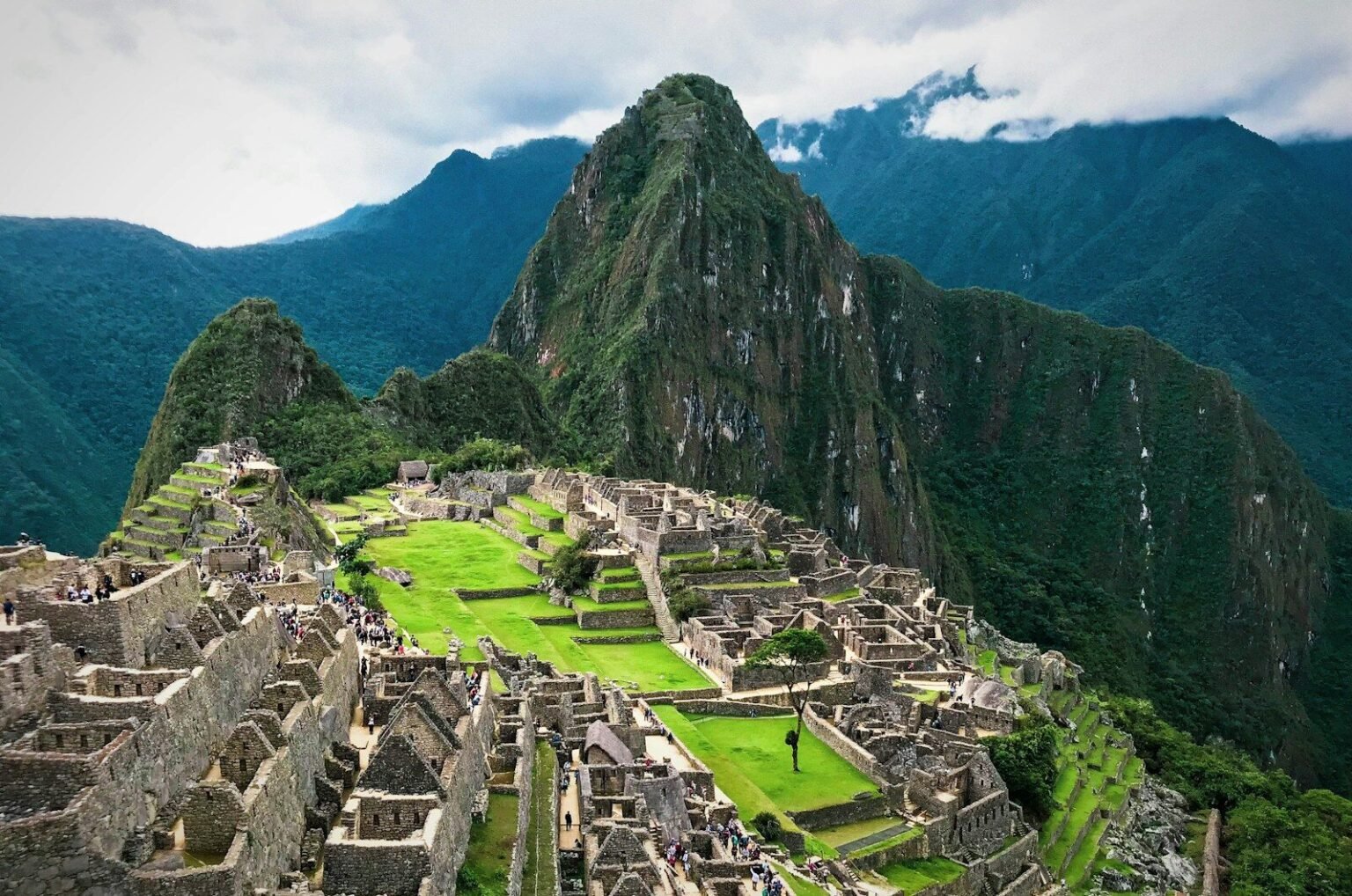
High up above the ruins of an Incan city engulfed in cloud is a certain kind of silence which leaves you there with a kind of thunderstruck silence. And there is a quite another sort of silence in a tiny stone alley in Toledo where was once centuries of coexistence of three religions. Divided not only by the sea but also by a language and approximately 200 years of history, Machu Picchu and Toledo could hardly seem to have anything in common. But both cities provide the answer to a question that visitors continue to ask themselves: where am I going to actually experience history and not merely read it?
To look beyond the postcard scenes and into what these places really are, lost civilizations, hectic crossroads of cultures, a genius of architecture or a narrative winding its way across whole continents, is the beginning of how you begin to comprehend their attraction. This guide will consider each of these separate destinations in isolation, and then provide the reasons as to why they should appear on the same list of places to visit before you die.
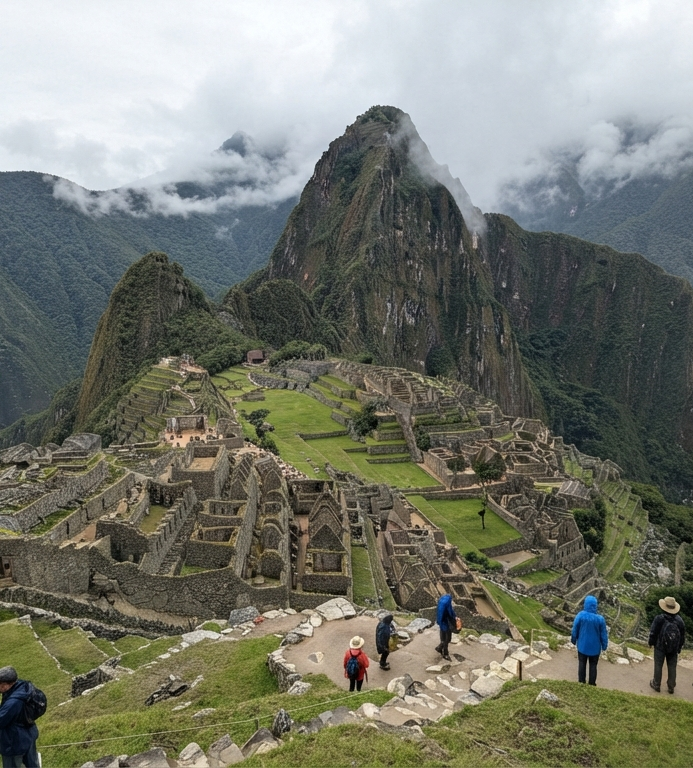
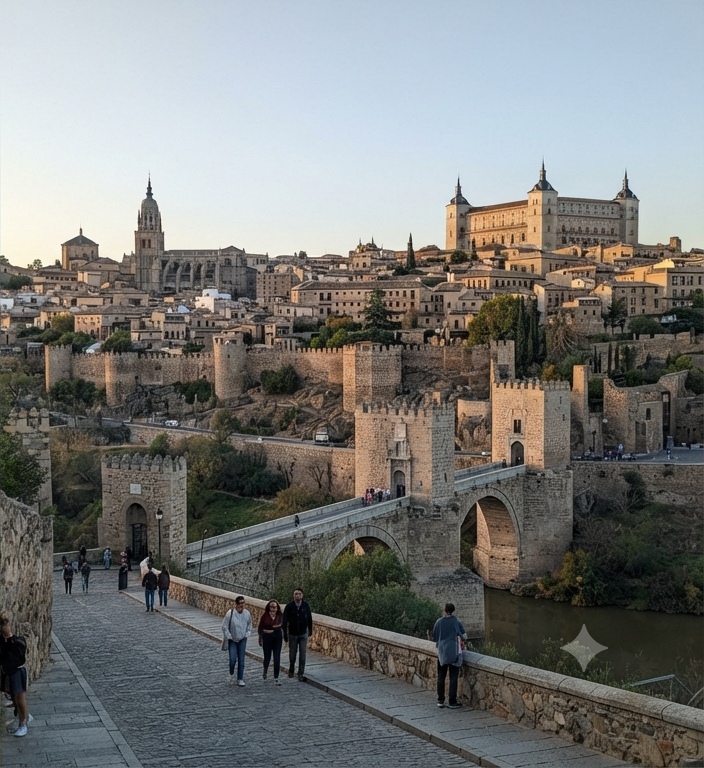
Machu Picchu and Toledo are significant tourist sites since they offer some of the only surviving intact remnants of the great significant civilizations the Inca Empire and the multicultural Spanish City of Three Cultures. Both are UNESCO World Heritage Sites that can be characterized by the inimitable architectural, spiritual and historical values.
Machu Picchu is perched upon a giant, proto-imperial rock
Machu Picchu is perched upon a giant, proto-imperial rock, Machu Picchu, constructed in the 15th century by the Inca Empire and abandoned just under a century later. Toledo, in the meantime, stands on a rock hill on the Tagus river in the heart of Spain – it has been a Roman base, a Visigothic city, and then later the center of the Christian, Muslim and Jewish civilization contact.
Outside the historical burden, the two cities have one more thing: their fate is determined by the geography. The mountain inaccessibility of Machu Picchu had left the site undiscovered by Spanish conquest over centuries and the position of Toledo at the top of the hill had made it an object worth possessing to whoever conquered the town. Both travel destinations tell those who would prefer more than sightseeing. They can provide a physical link to the way place formed human civilization – and that is, after all, hard to come by anywhere.
The reasons why Machu Picchu is a significant tourist site
It is one of the best-preserved Inca Sites on the planet
Most of the Incan settlements, including the majority of Machu Picchus, were destroyed or pulled down during the Spanish colonization, but Machu Picchu remained concealed until its rediscovery in 1911. Its stonework, terraces and temples remain, to this day, well preserved – an exceptional, unbroken, fresh glimpse of Incan engineering that is still studied by historians today.
It presents Exceptional Engineering
The thing is that, here, the Incas constructed Machu Picchu without mortar, iron tools, or wheels, and, at the same time, the stones are accurate to each other to the extent that they are seldom displaced by earthquakes. Agricultural terraces helped to avoid erosion and the possibility of farming at extreme altitudes. Architects in these days cannot yet tell to the full how they took it off.
It Has a profound Spiritual Meaning
The opinion of most researchers is that Machu Picchu was a royal estate or a religious sanctuary, rather than a typical city. The Temple of the Sun and the Intihuatana stone follow solstices – a hint to the high-level astronomical skills of the Inca which seems verily spooky when you are standing directly in front of it.
It’s a UNESCO World Heritage Site and New7Wonder
Considered by UNESCO in 1983 and selected as one of the New Seven Wonders of the World in 2007, Machu Picchu attracts its visitors in numbers greater than a million every year. The crowds exist, as is the motive behind people going.
Reasons why Toledo is a Special Travel Destination
It is a City of Three Cultures
Toledo was also a place where religious peace prevailed with Christian, Muslim and Jewish communities constructing and coexisting together. That mixture of architecture resulted in a coexistence that you cannot find anywhere in Europe – synagogues, mosques converted into churches and Gothic cathedrals are all within walking distance of one another. It is, literally, disorienting, in the best sense.
It was the Ancient Spanish Capital
Toledo was the political and religious centre of Spain before Madrid succeeded to capturing the title. That weight is still on its former royal palace, the Alcazar and the impressive Toledo Cathedral. A few hours of walking about and you feel it.
It is a Living Museum of Architectural art
The buildings of Toledo of Mudéjar style are a fusion of Islamic and Christian design which, in historical times, was unique to Spain. Religious buildings reused by various rulers and periods – such as the Synagogue of Santa Maria la Blanca and the Cristo de la Luz Mosque – have the same walls with totally different requests.
It is a UNESCO World Heritage City
The entire historic center of Toledo is designated, as of 1986. Its medieval streets and skyline remain so well preserved in comparison with more modernized cities in Europe, a fact that contributes to the fact that it does not seem to have been theme-missed but leaves a sense of it being lived in.
When to Visit which Destination
Machu Picchu
The clearest sky and the most safety of hiking is in the dry season (May-September). With that being said, it is also high season, meaning that people have to book permits several months ahead of time, which is no longer an option but simply a standard this day, as it is.
Toledo
The sweet spots are the spring (April-June) and autumn (September-October). The low temperatures cause climbing into Toledo up the steep cobblestone streets to be much easier than it would be during the middle of July when air is literally scorching.
Getting to Machu Picchu and Toledo
Reaching Machu Picchu
- Airplanes Cusco Aguas Calientes (Machu Picchu Pueblo): The train departs Cusco and arrives at Aguas Calientes.
- A shuttle bus or a steep climb takes one to the entrance gate there.
- Otherwise, a more immersive experience can be provided by multi-day walks such as the Inca Trail worth it in case you can commit the time.
Reaching Toledo
- Toledo is an easy excursion by high-speed trains (AVE) between Madrid and Toledo which only take 30 minutes.
- There are also buses and guided tours which operate regularly at the center of Madrid.
Cultural and culinary highlights
Peru & Machu Picchu Region
- Cuy (guinea pig) – a typical Andean food.
- Pisco Sour – the Peruvian cocktail.
- Quechua textiles – handmade products sold at Aguas Calientes.
Toledo & Central Spain
- Marzipan (Mazapan de Toledo) – decades-old local delicacy that Toledo gives much seriousness.
- Carcamusas – a meat stew typical of Toledo.
- Damascene metalwork – elaborate gold-inlaid work unparalleled anywhere else.
Budget Advice to the districts
- Machu Picchu: Booking train tickets and entrance tickets many months beforehand – last-minute tickets are insanely expensive.
- Toledo: Visit is a day trip of Madrid that will allow spending nothing on accommodation.
- Both: Shoulder season travel saves on people size and savings.
- Both: Small guided tours are sometimes cheaper than putting together your own dots of transport and tickets.
Suggested Itinerary Ideas
Machu Picchu (2 Days)
- Day 1: Cusco and acclimatization, Sacred Valley visit.
- Day 2: Bus to Aguas Calientes in the early morning, sunlight entrance into Machu Picchu.
Toledo (1–2 Days)
- Day 1: The Jewish Quarter, Toledo Cathedral, and Alcazar.
- Day 2: Cristo de la Luz Mosque, Tagus River viewpoint and local tasting of marzipan.
Best Secrets in the neighbourhoods of the two sites
- Around Machu Picchu: The Sun Gate (Inti Punku) provides a less hectic and higher-up view of the ruins – you are not in the scrum of the main entrance. Get there early.
- Close to Toledo: Mirador del Valle is without a doubt the best place to take a photo of a sunset on the other side of the river of the entire old town. It is overlooked by most day-trippers.
- Toledo Secret: Gold patterns are etched manually by small shops in the damascene in Toledo, which are run by families. Ask them where you can find them, around the souvenir stores around the cathedral – the difference in quality is like night and day.
What Not to Do when Traveling
- Failure to book Machu Picchu ahead of time. Visitors are limited to a certain number per day and tickets are sold a week before the season. Do not think you will figure it out on arrival.
- Visiting Toledo in half-day. Numerous places are shut down early and it is a city that can be appreciated at a slower pace.
- Omitting the altitude acclimatization in Cusco. The altitude sickness claims a lot of newcomers that come and overstrain themselves in no time. Allow a day to yourself.
- Not using the appropriate shoes. Both destinations come with lengthy paths delving through rough and ancient terrain. Take off the fashion sneakers.
- Ignoring shoulder-season travel. High months imply increased prices and increased crowding in both locations, – none better than that.
Conclusions: Two Addresses, One History Lesson
One unveils the way an isolated civilization was constructed with astounding accuracy at the boundary of heavens. The other depicts how three religious backgrounds once lived together in a harmony of sorts over a single city over one hill. Going to either of them alters your perspective of history. A visit to the two, and especially to both, though it may seem easier said than done, would provide a unique format on how various civilizations went about addressing the same basic issues of power, faith, and survival.
Begin either of those stories which draws you the first, the riddle of the Andes, or the cross of medieval Spain. In any case you will not regret it.
FAQ
1. What motivates Machu Picchu to be a major tourist attraction?
What makes Machu Picchu the most remarkable is that it is one of the most well-preserved Inca sites in the world, and a perfect mixture of advanced engineering and astronomical positioning, centuries-long history previously unparalleled are all positioned in the same location.
2. In what way is Toledo significant in the history of Spain?
Toledo was the previous capital of Spain and got its title as the City of Three Cultures whereby Christian, Muslim, and Jewish communities lived and created their imprint in the architecture of the city.
3. Have both Machu Picchu and Toledo been made UNESCO World Heritage?
Yes. In 1983, Machu Picchu was declared; and in 1986, the historic city center of Toledo.
4. How will I spend the number of days at Machu Picchu?
Majority of the travelers are good with 1-2 days, however, take into consideration the acclimatization period in Cusco; not doing the acclimatization period beforehand is one of the most frequent mistakes that people make.
5. Should Toledo be included on a trip out of Madrid?
Absolutely. It only takes the high-speed train 30 minutes to get there and this makes it one of the most rewarding day trips you can make out of Madrid.
6. What does Machu Picchu and Toledo have in common with other historic sites?
Both are kept in pristine, multi-layered history in in-your-face fashion: Machu Picchu with its remote Incan temple system, Toledo with the open discernment of several civilizations, all of one city, together.
7. What is the best time to visit Machu Picchu and Toledo?
Machu Picchu is at its best in the dry season (May–September). The spring or fall is the best time to visit Toledo, when the heat is not as much of a bother and the streets can be seen to be pleasant to walk.