


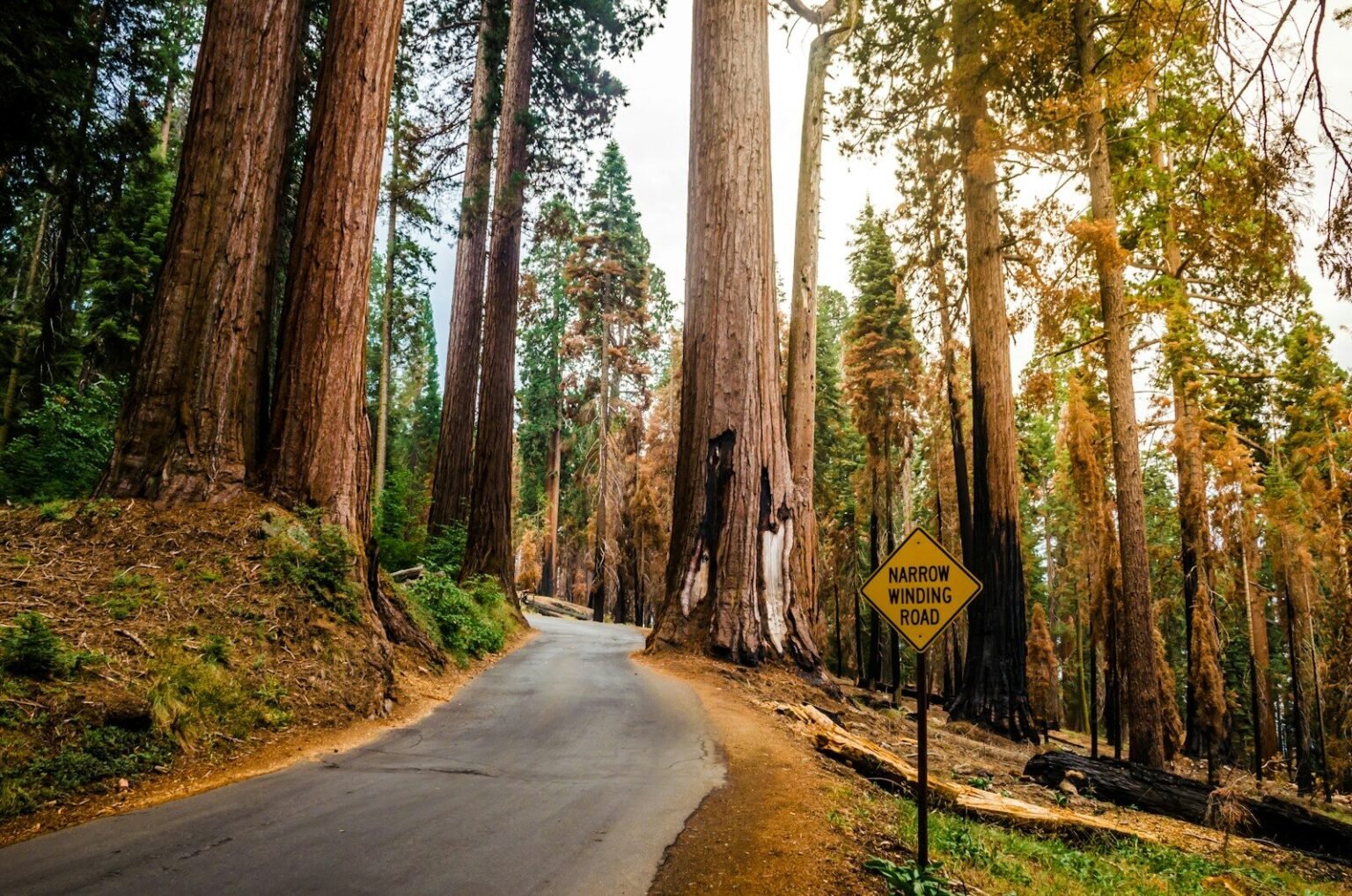
Still wondering what timed entry permits are? Discover how the national park reservation system actually operates, when to make reservations and where to find tips on how to avoid getting stuck.
Went to the park and nearly missed the morning opportunity to be in Yosemite.
A 4 a.m. alarm. Three hours drive. A wet thermos of coffee that’s been chilled. I’d done everything right or so I thought. Two weeks before, I was almost denied entry at the gate without anyone saying that I needed a permit just to drive in. I did not check this detail, and I ended up with a family in the back seat, and a very grumpy family in the back seat.
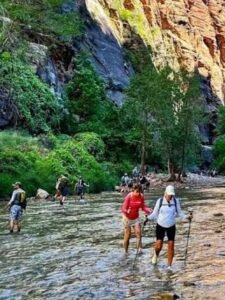
It was then that I really sat down and understood how the national park reservations work and how they “make sense,” and I realized that booking was not as stressful as I thought it would be. If at any time you have seen a “timed entry” sign and thought to yourself “Oh My God, I have to wait for that?!”, then you’re not alone.
Featured Snippet Summary: The national park reservation system is a Web-based allocation of entry tickets or vehicle reservations (principally via Recreation.gov) to high-demand parks ahead of their visit. It does so by issuing tickets in seasonal batches and also rolling daily batches, according to first come first served.
At the end of this guide, you’ll understand how exactly the National Park Reservation System works and which parks need it, when it needs to be booked, and you’ll know the tricks of the pros so you can make it to a park if you want.
The National Park Reservation System is what?
The national park reservation system is a digital gatekeeping device at its heart. Users schedule a time window, typically referred to as a timed entry permit, usually through a system designed for this purpose like Recreation.gov in the United States. Visitors do not come on site and simply wait, but instead schedule a time window, usually by using an official booking site, such as Recreation.gov in the U.S.
But it’s not only Yosemite. Other national parks that have been implementing such systems in recent years include Glacier, Rocky Mountain, Zion, Acadia and Arches. Other parks may only need reservations for certain areas of the park, such as the popular trailhead or shuttle route.
The obvious answer is that if a park has a timed entry, then it’s timed entry or you’re not going, even if you have an annual pass in your hand.
Why Parks Have a Reservation System
You can easily think this is a scam to enrich themselves. But in reality, that’s not the motivation for it. What really happened is:
- Overcrowding control – cars were lining up miles long on popular parks on weekends during the summer months.
- The protection of the environment – Uncontrolled foot traffic can have a severe impact on fragile ecosystems such as alpine meadows.
- Visitor experience – hiking shoulder to shoulder with hundreds of strangers is not the kind of wilderness experience most people are looking to.
- Safety and emergency response – Limiting the number of visitors makes it much easier for rangers to deal with evacuations and medical emergencies for wildfire or other emergencies.
Knowing the national park reservation system is not only for convenience, but for showing respect for the place you’ve come to see.
The National Park Reservation System Works Step By Step
Let’s look at how this works, step by step:
- See if you need to reserve your park. Not all parks do and not all seasons require it, many parks only implement it during the busy summer months.
- Get a Recreation.gov account (or the closest alternative)
- Choose the date and time frame you will be entering. Reservations are generally divided into sets, 6 a.m.-8 a.m., 12 p.m.-2 p.m., etc.
- Pay a reservation fee (often $1-2, in addition to park entrance fee).
- Bring a hardcopy confirmation or print-out (most parks take mobile ones, but you are likely to get a laugh out of the lack of cell signal at park access points).
- Be on time. Some parks permit a grace period; others are not so generous.
A few points to note: Many parks sell tickets in two series – a seasonal batch, and a rolling batch issued 1-7 days prior to your trip. This two-tiered system is likely the most confusing component of the entire system and is what leads many travelers to drop out too early.
Best Time to Book Your Slot
The key to this is all about the timing. The following is a general breakdown of the structure of most park systems’ releases:
Type of release Days of the week when it opens What it is best for: Seasonal batch Released in early spring (Jan – April) for summer travel Planned trips, families, group travel. Rolling batch 1–7 days before the visit Spontaneous trips, backup plans Cancellation times Any time, other people will cancel Persistent last minute travellers
Pro-tip: Set the alarm for the actual minute that the seasonal batch typically opens, 8 a.m. or 10 a.m. local time. Weekend and holiday time might disappear in a matter of minutes. I don’t mean to say that I’m lying, just a little.
To access the booking platform, please click here.
Access to the reservation system is a non-issue. It’s here that people stumble.
- Check out the official Recreation.gov site or the Recreation.gov mobile app.
- Look for the specific park name as pages for reservations are not always on the park’s main page.
- Make sure you are looking for a vehicle reservation (per car) or an individual timed entry ticket (per person), as they are treated differently.
- Follow the park on social media for current news about closures or changes to the park’s systems.
The top national parks that require reservations are listed below.
Do not park on any reservations.
Yosemite National Park Vehicle entry (peak season) May-Sep. South Fork, Montana 59936 June – September (Upstairs & Downstairs Vehicle Reservations on Going-to-the-Sun Road) Zion National Park Shuttle Reservations YR: Year-round (varies) Rocky Mountain NP Timed entry permit May- October Arches National Park Timed entry ticket April-October Acadia National Park Vehicle reservation (Cadillac Summit Road) May-October
Visitor statistics will change from year to year, so please check the official NPS.gov page before you make your travel plans.
The town’s cultural, culinary and local attractions.
The towns just outside of these parks are good enough on their own to warrant a visit. Springdale is near Zion, and locals are quite evangelical about their green chili breakfast burritos; it’s not a joke. Now near Glacier, Whitefish, Montana, is this perfect mix of cowboy lifestyle and lakeside fun—huckleberry pops up in pies, beer, soap, and more.
The gateway towns of Yosemite are quite different. If you look for them, you’ll find the old Gold Rush bones saloons that were converted to cafes in Mariposa since the 1850s. Eating local is not a luxury, it’s your way to really experience the place after the trailhead.
Tip #1: Budget Tips for Fees and Permits.
- The reservation fee is small, usually $1-$2, but do not come without payment, unpaid reservations will be cancelled automatically.
- Entry charges are in addition to the ticket price. The annual $80 pass to “America the Beautiful” gives access to entrance fees (not reservation fees) to most of the federal parks.
- Please cancel early if plans change. Some systems provide partial refunds for cancellation time periods prior to the park closing; check the specific park’s refund policy.
- Don’t use third party resale websites. They often provide steep prices for the slots that are very cheaply available via official channels.
This 3-day itinerary around the Reservation Windows is a sample.
Day 1: Make an early morning entry (to go from 6:00am to 8:00am) to beat a lot of the heat and the crowds. Take advantage of the afternoon for a stroll on the less-popular trails, which do not require permits.
Day 2: Plan for a late day of driving for some scenic driving and then take a mental break — book a dinner at a “no frills” restaurant at a gateway town. After spending a day planning things for a time, this time by the clock is quite a change.
Day 3: If you’re a photographer, head out for either a sunset or sunrise time. The windows are taken up by the lighting-related visitors, who sometimes result in quieter trails during the transition time.
Also Read: Hotels Travel Tweaks: 15 Proven Ways to Save Money and Sleep Better in 2026
Check out some local treasures and tips.
- The chances of getting a rolling-release slot are greatly improved when visiting on a weekday.
- It is possible to enter a park during the shoulder season without any reservations, even if they are enforced during the busy season.
- Cancellation refresh trick: Have the booking page open and refresh it 5-7 days before the date you want to book — which is when most bookings tend to be cancelled.
- In some cases, the general reservation requirement is not followed or is bypassed altogether when you are in a group tour with a ranger.
The following are some of the most frequent mistakes that are made:
- Don’t believe anyone who says an annual pass will remove the need for a timed entry reservation.
- Entering the park at the wrong entrance (some parks have multiple gates and all are totally independent).
- Not taking into account the time difference between a window of release at home and the time at the park.
- Arriving on the week of your trip only to find out that the seasonal batch was sold out months before your arrival.
- Assuming that any trail or road in the park doesn’t require a separate permit — only the park.
FAQ
A1: No, not all national parks have a reservation policy.
No, there are only a handful of popular parks that allow timed entry – and typically just during peak season.
Q2: When should I make a national park reservation?
Seasonal release is particularly good for popular parks, and is typically several months ahead of the actual release date, particularly on weekends.
Q3: Is there no need for a reservation with an annual pass?
No 1 – Annual passes include entrance fees, but a timed entry pass is still necessary where applicable.
Q4: What will happen if I miss my reservation window?
Some parks may permit a grace period, others might refuse to let you in until you have booked another period.
Q5: If plans change, are reservations refundable?
Refunds are offered by many parks, some offer partial refunds if the cancellation occurs early enough, check the park’s cancellation policy.
Q6: Do you have any late bookings?
Yes, via rolling releases (1-7 days out) or cancellation slots, but never guaranteed!
Q7: Does the park entrance fee apply to the reservation?
No these are charged separately, the reservation fee is to reserve a spot and entrance fee for park access.
My Final Thoughts
Knowing the process of how the national park reservation system works helps make the experience as smooth and memorable as it will be for those who make it. With a bit of understanding of the release schedule and booking windows, and a few local tips, the whole thing becomes second nature — and you’ll find yourself spending less time refreshing a screen, and more time out on the trail.