


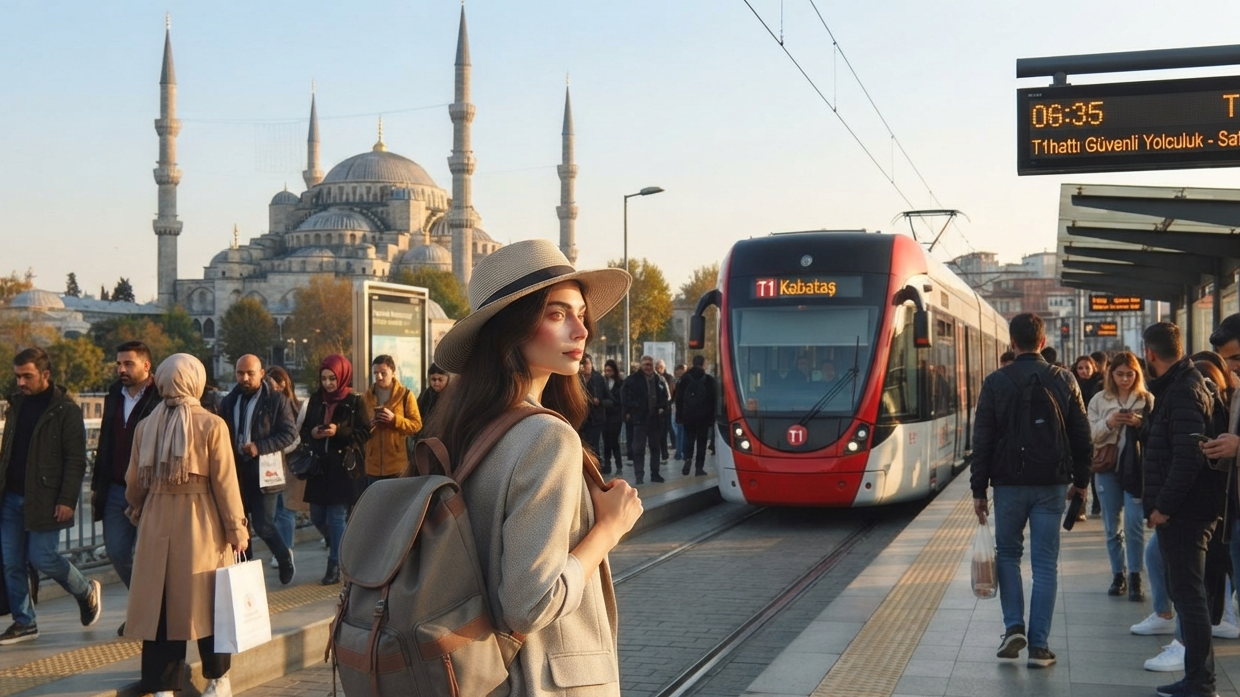
Yes—for most Americans, travel to Turkey can be safe if you stick to major tourist areas and follow current U.S. government guidance. The key is to avoid southeast Turkey and stay alert in crowded places, because the State Department rates Turkey overall at Level 2: Exercise Increased Caution while assigning Level 4: Do Not Travel to the southeast border region
Is an American Travel to Turkey Safe?
Turkey is a popular tourist destination for many visitors worldwide, and Americans visit Turkey each year for tourism, business and transit. The quick answer is that Turkey is safe for Americans, but only if they exercise caution on what they do and where.
The U.S. State Department currently cautions against entering the border area with Iraq and Syria and urges Americans to “exercise increased caution” in Turkey due to terrorism, armed conflict, and arbitrary detention.
The places mentioned below are mostly considered workable for tourism with the current advisory if a trip will be made in those destinations: Istanbul, Cappadocia, Antalya, Izmir, Bodrum, and the Mediterranean and Aegean resort areas. The larger issue is in the southeast, where the State Department warns Americans not to visit because of concerns for terrorism and armed conflict.
The answer is not so simple as “yes,” or “no” anymore, but pragmatic: yes, but with care, sensible planning, and a clear escape from high-risk neighborhoods.
Current U.S. Advisory
The U.S. State Department travel advisory for Turkey is the most critical resource for U.S. travelers and now states that Turkey’s overall rating is Level 2 overall, which was last updated in June 2026.

For Level 2, it indicates that visitors must be more cautious but does not restrict travel. Meanwhile, an independent piece of advice is not to travel to the border between Syria and Iraq on account of the risk of armed conflict and terrorism.
In addition, the advisory warns of risks of arbitrary detention and attacks with little warning in venues frequented by large crowds. That includes tourist sites, markets, hotels, restaurants and major public events. That, for Americans, equates to low-risk travel and situational awareness becomes even more important than in a less hazardous destination.
Safer Areas To Visit
As for American visitors, most of the big tourist centres in the western and southern parts of Turkey are still the most convenient. Istanbul is the most common entryway point and is visited heavily, although care must be taken in well populated districts, airports, and transit areas.
Coastal places like Antalya, Bodrum or Izmir are also popular international tourist destinations, and are generally perceived as more stable than the Southeast.
Another favourite among Americans is Cappadocia, which is a big tourist attraction and not one of the most dangerous border regions. In these safer areas, visitors should still steer clear of demonstrating, have identification with them, and stay informed about local news. As with travelling anywhere in the city, be careful but enjoy yourself.
Areas To Avoid
The most obvious red flag is the southeast of Turkey, particularly the provinces adjacent to the Syrian and Iraqi borders. The State Department says Americans should not travel there due to terrorism and armed conflict.
The advisory also reports that U.S. Government employees are subject to travel restriction in that area, and that some U.S. consular service has been impacted.
Visitors are also advised to exercise caution in the vicinity of any protests or political rallies or any public demonstrations anywhere in the country. These can be unpredictable and foreigners may be affected by disturbances or tightened security controls.
People making plans for travel across borders, near conflict areas, and off the beaten track should carefully re-evaluate those plans.
Main Risks
The foreseen concerns for Americans in Turkey are terrorist activity, local violence, and occasional legal or detention problems. The State Department advises caution at tourist-oriented or popular areas, where there is a risk of terror attacks in markets, transportation hubs, hotels, restaurants, and public places. This does not mean that an attack is likely on any particular day, but that travelers be aware and avoid predictable travel patterns.
The other is the law’s skittishness. The advisory also notes a risk of arbitrary arrest, which is of particular concern if visitors are unwittingly arrested for breaking local laws or for entering into sensitive political discourse.
Americans should not take photos of military locations, participate in protest politics, or dispute government officials. For the majority of tourists, this risk is rendered manageable by good behavior, which is characterized by politeness, low-key conduct, and respect for local laws.
Practical Safety Tips

Before You Travel
- Participate in the U.S. State Department STEP program.
- Keep a list of the contact numbers for the nearest U.S. Embassy or Consulate.
- Purchase travel insurance with coverage for medical care and evacuation.
- Have a copy of your passport, hotel reservations, and emergency phone numbers—both digital and paper.
While in Turkey
- Ensure that transportation is licensed.
- Do not stay in secluded locations at night.
- Do not attend political meetings or demonstrations.
- Be aware of pickpockets in tourist areas since they can occur anywhere there is a crowd.
- If you need to travel southeast for any reason, consider the whole trip again as the advisory is quite strict there.
Who Should Be Extra Careful
American travelers traveling solo or for the first time to an overseas destination, and those with less flexibility, should take additional caution. That’s because although the tourist landscape in Turkey is manageable, there remain regional variations in security and in accessing assistance.
Planning long-distance routes or travelling for extended periods near border provinces increases risk.
Turkey is home to some reliable operators with established destinations that families and older travelers can visit safely. Business travelers also need to be aware of local legislation, paperwork, and political discourse.
In general, the more rigid your trip is, the better it’s going to feel.
Final Verdict
So, is it safe for an American to travel to Turkey? The answer is generally yes, subject to caution, for most visits to the major tourist destinations.
In southeast Turkey and in the border region with Syria and Iraq, the answer is no, as the State Department advises against traveling there.
However, Turkey can still be a rewarding destination for American tourists, as long as they research their destination, remain vigilant, and pay attention to official advice.