


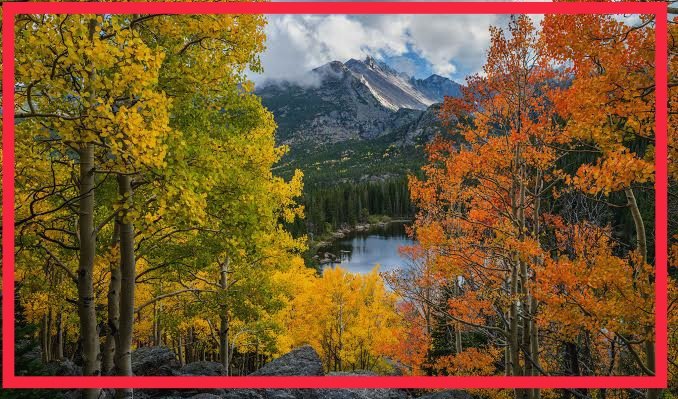
Picture this: you’ve just driven through the Roosevelt National Forest with your windows down, the smell of pine thick in the air, and Rocky Mountain National Park is right there on the horizon. Now you need somewhere to sleep. That’s where things get interesting because your choice of base camp shapes the entire trip.
Exploring Rocky Mountain National Park Where to Stay
Gateway Towns: Convenience and Charm
The two gateway towns Estes Park to the east and Grand Lake to the west are where most visitors end up, and honestly, it’s easy to see why. Both give you quick access to the park’s trails and overlooks while keeping you close to restaurants, gear shops, and a decent cup of coffee before an early morning hike.
Estes Park has more of a buzz to it. It’s busier, louder, and packed with options ranging from bare-bones motels to full-on mountain lodges. Grand Lake, on the other hand, has a totally different feel — quieter, more laid-back, with that gorgeous lake right there as your backdrop. If you want to decompress rather than be in the middle of things, the western side is worth considering.
In-Park Lodging: Embrace Nature
Staying inside the park itself is a different kind of experience. There are no hotels within the boundaries, but the campgrounds more than make up for it. Whether you’re pitching a tent at Moraine Park or rolling in with an RV, waking up to that altitude and those views is something a hotel room just can’t replicate.
The closest thing to in-park luxury is the historic Stanley Hotel in Estes Park, which technically sits just outside the boundary but feels deeply connected to the park’s identity. It’s the place Stephen King allegedly got the idea for *The Shining*, which either makes it more appealing or less depending on your personality.
Top Accommodation Options Near Rocky Mountain National Park
Luxury Stays for an Exclusive Experience
If you want to treat yourself, Estes Park Resort on the edge of Lake Estes is one of the better splurges in the area. The lake views from the private balconies are genuinely worth the room rate, and the on-site restaurant and spa mean you don’t have to go far to unwind after a long day on the trails. The Stanley Hotel pulls double duty here too — the rooms are elegant, the history is real, and it’s one of those places that feels like more than just a place to sleep.
Charming Cabins for a Cozy Retreat
Cabins tend to be the sweet spot for most people visiting the park. Rustic River Cabins gives you the full mountain experience — log walls, a wood-burning stove, an outdoor grill, and the kind of quiet that’s hard to find anywhere else. Wildwood Inn is another solid pick, especially if you want to feel tucked away from everything while still being close to the park’s main attractions. There’s something about falling asleep with a fire crackling that makes the whole trip feel a little more real.
Budget-Friendly Options for Savvy Travelers
Traveling on a tighter budget doesn’t mean roughing it more than you’d like. YMCA of the Rockies is a genuinely great option — affordable, family-friendly, and right on the doorstep of some excellent hiking. The Maxwell Inn is another one to look at if rustic charm and reasonable prices are what you’re after. You’re not sacrificing location either; both keep you well within striking distance of everything the park has to offer.
Insider Tips on Booking Your Stay in Rocky Mountain National Park
Plan Ahead for Peak Seasons
Summer is when the park gets slammed. June through September brings the biggest crowds, and accommodations — especially campgrounds — fill up fast, sometimes months out. If you’ve got a specific spot in mind, book it early. We’re talking February or March for a July trip, not the week before.
Consider Proximity and Accessibility
Think about which side of the park you actually want to spend most of your time on before you book. Estes Park puts you near Bear Lake, Trail Ridge Road, and most of the popular eastern trailheads. Grand Lake makes more sense if you’re planning to spend time in the Kawuneeche Valley or along the western corridor. Picking the right side can save you a surprising amount of driving.
Explore Diverse Lodging Options
Honestly, don’t lock yourself into one category too quickly. Campgrounds, cabins, inns, full-service resorts — they all exist here and they all attract different kinds of travelers for good reasons. A bed-and-breakfast in Estes Park can be just as memorable as a week of backcountry camping, depending on what you’re after.
FAQs
What is the best time to visit Rocky Mountain National Park?
It depends entirely on what you want out of the trip. Summer opens up the roads and the high-altitude trails, making it the most popular window for a reason. Fall is quieter and arguably prettier, with the aspen turning gold across the hillsides — if you ask me, late September is the best-kept secret on the whole calendar. Winter is genuinely beautiful too, especially for snowshoeing, but a lot of roads close and you need to plan accordingly.
Are there accommodations within Rocky Mountain National Park?
No hotels sit inside the park boundaries, but there are several campgrounds where you can stay overnight and really settle into the landscape. For anyone who wants a roof and a real bed, Estes Park and Grand Lake both have solid options across every price range, all within easy reach of the main entrances.
How do I make reservations for camping?
Book through the official National Park Service website. Go early — spots disappear fast once peak season approaches. If summer dates are already gone by the time you’re looking, shoulder seasons like May or early October often have more availability and come with the bonus of thinner crowds.