


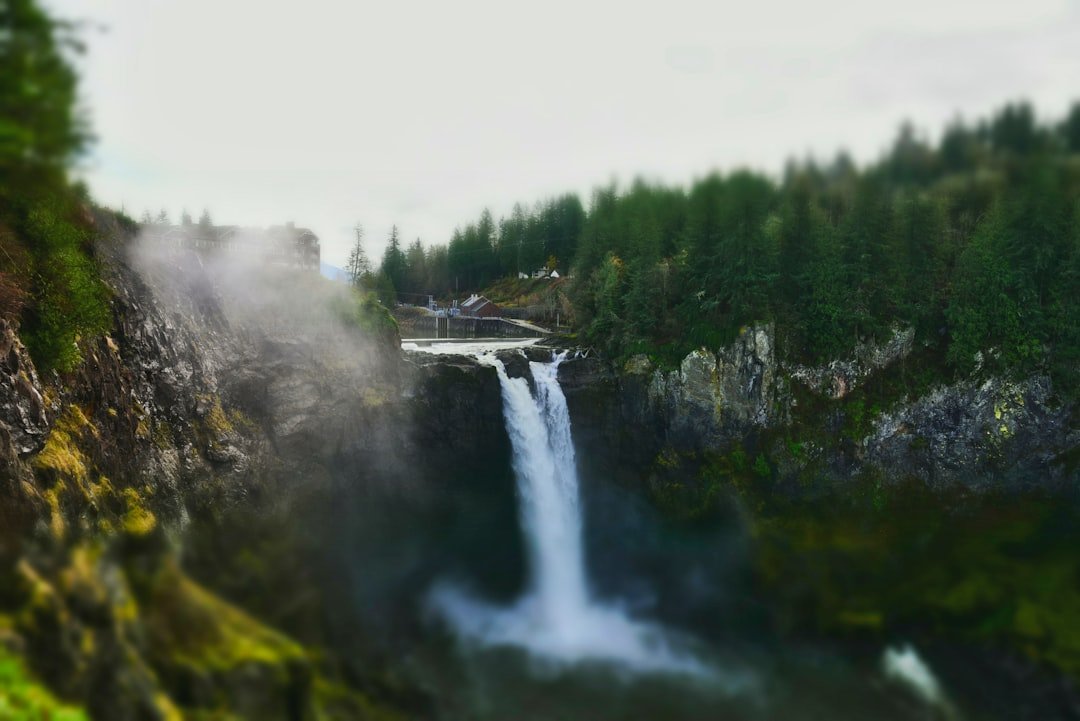
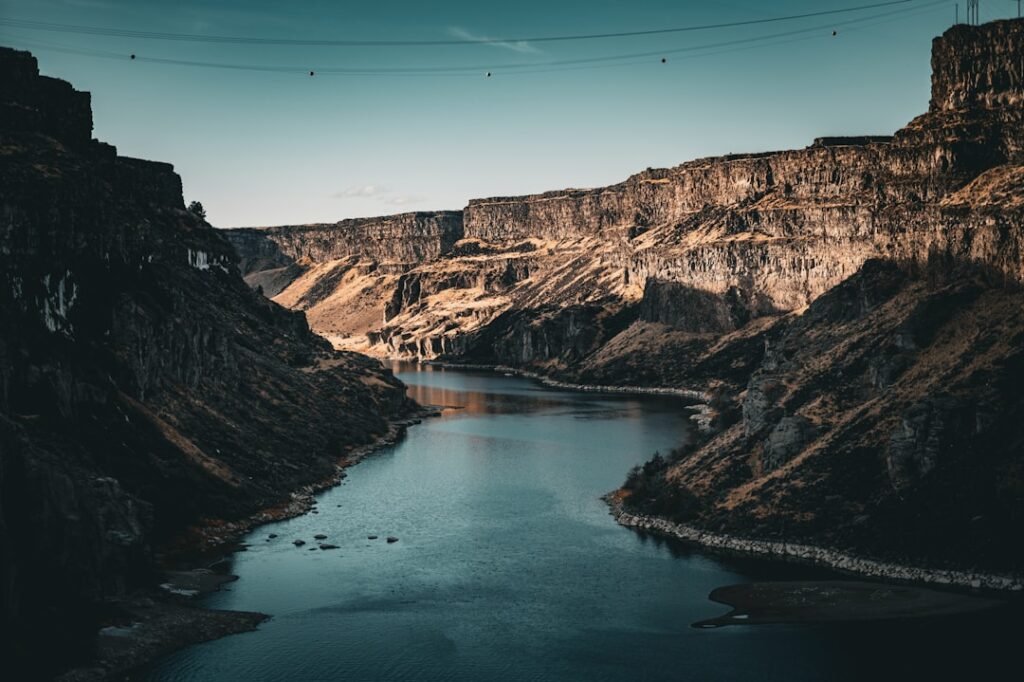
Picture this: a massive, yawning canyon splitting the flat Idaho farmland wide open, completely out of nowhere. Down below, a bright green river snakes through dark volcanic rock. If you like your road trips with a heavy side of dramatic drops, misty waterfalls, and the occasional human leaping off a bridge, you need to get yourself to Twin Falls, Idaho.
Locals call it the "Gateway to the Snake River Canyon," and honestly, the place feels a bit like a geographical magic trick. One minute you're driving past quiet potato fields, and the next, you're staring down into a gorgeous 500-foot gorge. It is an absolute playground for outdoorsy folks, whether you are here to watch adrenaline junkies jump off cliffs or just want a quiet paddle on the water.
So, let's skip the fluff. Grab a drink, and let's run through the absolute best things to do in Twin Falls to help you map out your next escape.
—
1. Gaze in Awe at Shoshone Falls (The "Niagara of the West")
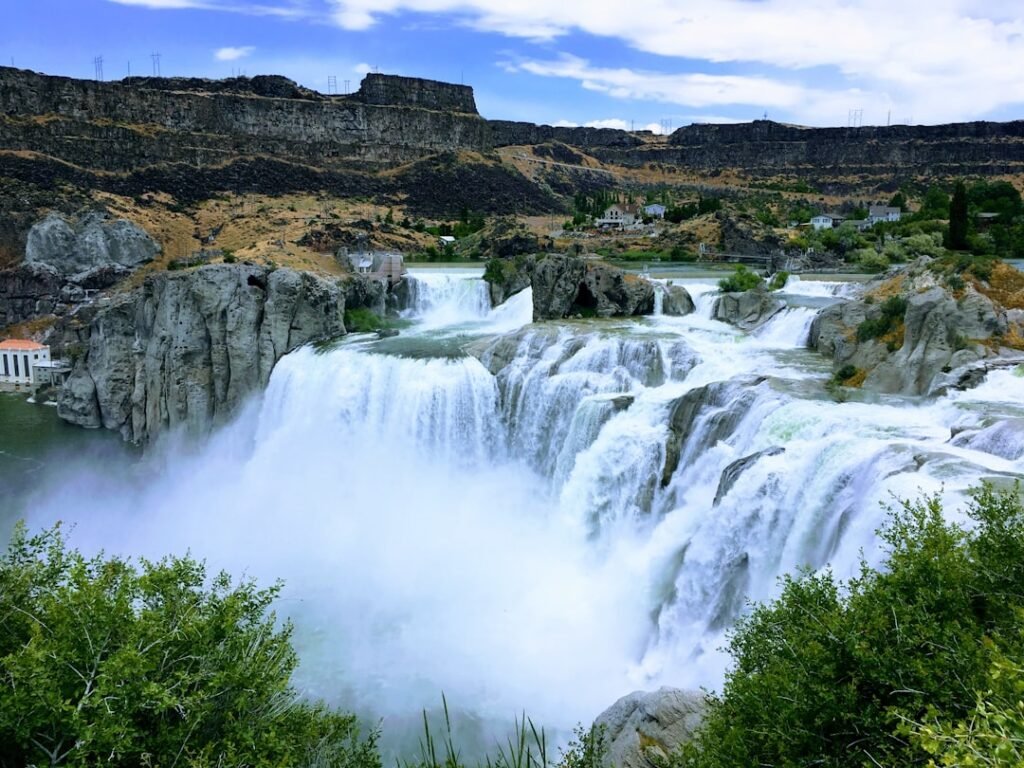
You absolutely cannot roll into town without stopping here first. Seriously. Shoshone Falls isn't just some overhyped local park—it actually stands 212 feet tall, which makes it significantly taller than Niagara Falls. When the water is pumping in the spring, the 900-foot-wide horseshoe rim turns into a thunderous wall of white water.
Walk out onto the main viewing platform and you will instantly feel the cold spray on your face. It's loud, it's wet, and it makes you feel wonderfully small. The park surrounding the falls has plenty of green grass, shaded spots to eat lunch, and a few easy walking trails to stretch your legs.
- Why it’s worth doing: It is one of the most jaw-dropping natural sights in the country. No photo on your phone will ever capture how huge this thing actually feels in person.
- Our Insider Tip: Timing is everything here. Because local farms rely on this water for irrigation, the river gets diverted as the summer drags on. If you show up in late autumn, you might only see a trickle. Come between April and June for the real show. Oh, and try to get there in the morning when the rising sun hits the mist—it creates some of the most vivid rainbows I’ve ever seen.
—
2. Watch Daredevils Leap from the Perrine Bridge
Here's something you definitely don't see on your average morning commute. The I.B. Perrine Bridge stretches 1,500 feet across the canyon, hanging a dizzying 486 feet above the river below. It’s a beautiful piece of engineering, sure, but the real draw is the local crowd.
This bridge is one of the very few spots in the United States where it is completely legal to BASE jump year-round without a permit. On any clear afternoon, you can stroll right out onto the pedestrian walkway and watch folks calmly climb over the metal railing, pause, and throw themselves into the empty air. Watching them plummet before their colorful chutes pop open is terrifying and incredibly fun.
- Why it’s worth doing: It's a front-row seat to extreme sports in a wild setting. Plus, looking straight down at the winding river and the tiny golf courses below will give you a quick spike of adrenaline.
- Our Insider Tip: Skip the roadside turnouts and park at the Twin Falls Visitor Center. They have clean bathrooms, cool history displays, and a paved trail that takes you right onto the bridge. If you hang out near the landing zones or the bridge deck, you can usually strike up a conversation with the jumpers as they repack their gear.
—
3. Kayak or Paddleboard to Pillar Falls
To really appreciate how deep this canyon is, you have to get down onto the water. Renting a kayak or a stand-up paddleboard to explore Pillar Falls is easily one of the most adventurous things to do in Twin Falls.
You'll start your paddle at Centennial Waterfront Park. From there, it's a 1.5-mile trip upstream. Passing directly under the Perrine Bridge is wild—it looks absolutely massive from the water line. Keep paddling, and the canyon walls start to squeeze in until you reach Pillar Falls. It’s not a single drop, but rather a crazy, beautiful labyrinth of giant volcanic basalt pillars, rushing channels, and shallow pools.
- Why it’s worth doing: It is a solid workout and offers a completely different perspective of the canyon's raw geology. Walking around the base of those towering rock pillars feels like landing on a different planet.
- Our Insider Tip: AWOL Adventure Sports rents out gear right at the park during the warmer months. Bring a good pair of water shoes with thick rubber soles; those volcanic rocks are incredibly slick and sharp. If you have the energy, you can actually carry your kayak over the rocks here and keep paddling all the way to the base of Shoshone Falls itself.
—
4. Hike or Bike the Snake River Canyon Rim Trail
If you prefer to keep your shoes dry but still want those sweeping views, the Snake River Canyon Rim Trail is the perfect compromise. This paved, 10-mile path runs right along the cliff edge, serving up nonstop views of the river canyon.
It’s flat and incredibly easy to navigate. Perfect for a breezy morning run or a quiet walk after dinner. Along the way, you'll pass the famous spot where daredevil Evel Knievel tried (and spectacularly failed) to jump the canyon in his steam-powered rocket back in 1974. Personally, I love this trail because it reminds me of the laid-back, scenic hiking trails you find when looking for things to do in Idyllwild CA—just pure, unhurried outdoor bliss.
- Why it’s worth doing: You get all the dramatic canyon vistas without any of the steep, knee-crushing climbs.
- Our Insider Tip: Grab an electric bike rental from a shop in town to cover the whole trail without breaking a sweat. If you can, time your ride for golden hour. The late afternoon sun hits those dark basalt cliffs and turns them brilliant shades of orange and deep red.
—
5. Escape to the Oasis of Dierkes Lake
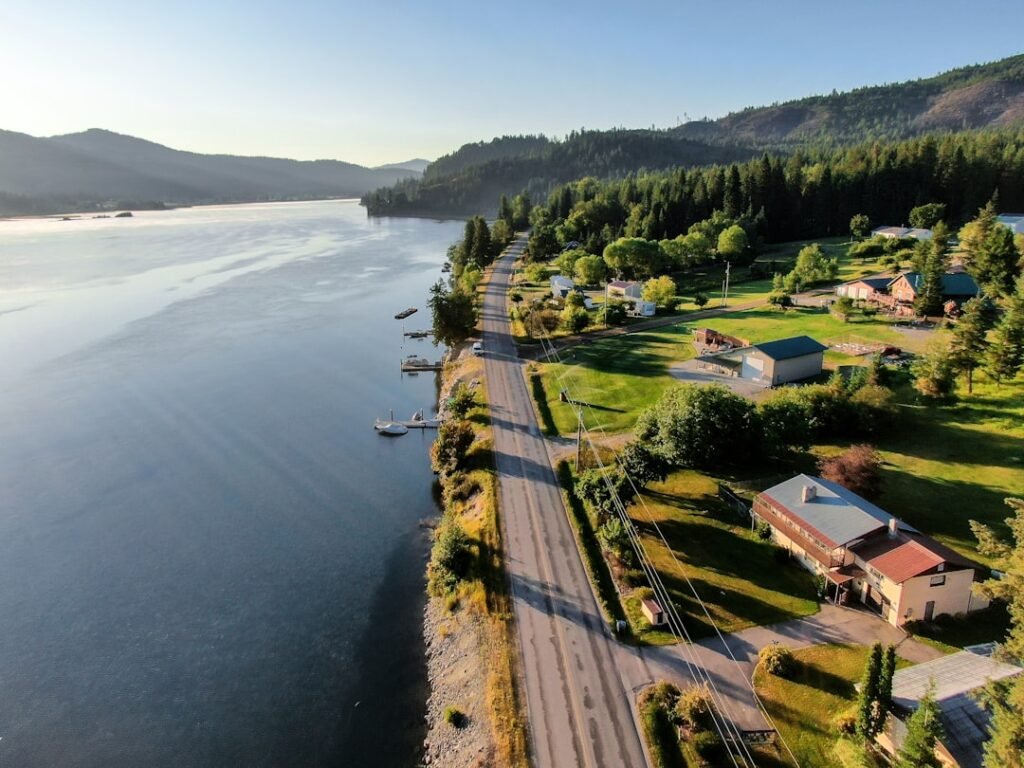
Just a quick drive from Shoshone Falls, you'll find Dierkes Lake, a quiet little oasis tucked into the rocky cliffs. It's a spring-fed lake that feels completely hidden away from the rest of the world.
When the summer heat hits, this is where everyone goes to cool off. You'll find families swimming, kids jumping off the docks, and even local scuba clubs practicing in the deep spots (there is actually a sunken rowboat and a quirky metal shark at the bottom for them to find!). If you're traveling with your family, having a safe, calm swimming spot like this is just as essential as finding things to do in Savannah GA with kids on a muggy afternoon. There's also a scenic 1.7-mile trail that loops around the lake if you want to stretch your legs.
- Why it’s worth doing: It is a wonderful, low-key spot to escape the midday heat, have a picnic, and enjoy a slower pace of life inside the canyon.
- Our Insider Tip: Look closely for the wooden stairs built right into the rock cracks along the trail. They lead up to a high ridge where you can look down on both the lake and the rushing Snake River at the same time. Also, your entry fee for Shoshone Falls covers this park too, so definitely hit both on the same afternoon.
—
6. Take a Day Trip to the Gravity-Defying Balanced Rock
Got an hour or two to spare? Drive about 30 miles southwest of town toward Castleford to lay eyes on Balanced Rock.
This bizarre geological structure is a massive, wind-carved piece of volcanic stone shaped a bit like an upside-down balloon. It stands over 48 feet tall and weighs an estimated 40 tons. Here's the kicker: the entire thing balances on a tiny, fragile-looking base that measures just three feet by 17 inches. It looks like a stiff breeze could knock it over, yet it has survived like this for thousands of years.
- Why it’s worth doing: It is one of those classic, delightfully weird roadside attractions that makes you stop and stare.
- Our Insider Tip: The scramble up from the parking lot to the base of the rock is short but incredibly steep and slippery with loose gravel. Wear shoes with some actual grip. Once you've snapped your photos, head down the road to Balanced Rock Park—a green, shady canyon floor with a little creek that is perfect for a quiet lunch spot.
—
7. Step Back in Time at the Herrett Center for Arts and Science
If you get hit with a rainy afternoon, or if you just need a break from the intense Idaho sun, make your way over to the College of Southern Idaho campus to check out the Herrett Center for Arts and Science.
It's a fantastic, surprisingly modern museum packed with regional natural history, art, and space exhibits. You can get up close with ancient Native American pottery, see massive prehistoric mammoth bones discovered right here in southern Idaho, and check out local art galleries. The real star of the show is the Faulkner Planetarium, which runs incredible star shows and retro laser light spectacles under its massive dome.
- Why it’s worth doing: It's an easy, budget-friendly way to learn about the ancient history of the region while keeping the kids entertained.
- Our Insider Tip: Take a look at their show schedule online before you head over. They swap out programs throughout the day, ranging from educational space documentaries to fun, music-filled laser shows in the evening.
—
Where to Eat in Twin Falls: A Foodie’s Guide to Canyon Country
After a full day of hiking and paddling, you are going to be absolutely starving. Luckily, the food scene here has quietly grown into something pretty special, blending local Idaho ingredients with some seriously creative cooking.
Here are three places you absolutely shouldn't miss:
- Elevation 486: This is the spot if you want dinner with a view. Plonked right on the canyon rim, you can sit on the patio, sip a local huckleberry cocktail, and watch the sunset over the Perrine Bridge. The food matches the view—order the Idaho Ruby Trout or their slow-roasted Prime Rib.
- Twin Falls Sandwich Company: Located in the historic downtown, this is my go-to for a quick, exceptionally good lunch. They make everything from scratch using local ingredients. The Idaho Cheesesteak and the Cranberry Turkey Club are both phenomenal, especially when paired with their house potato salad.
- Milner’s Gate – Idaho Craft Brewery: This stylish brewpub is built inside a beautifully restored historic building downtown. It has a great, lively atmosphere. Grab a pint of their Snake River Pale Ale and order the Bison Burger or a plate of their loaded Idaho Potato Skins.
—
Practical Travel Tips: Your Twin Falls FAQ
Before you hit the road, here are a few quick tips to help you smooth out the details of your trip. Planning a road trip can be a lot of work, whether you're researching coastal spots like things to do in Kittery Maine or heading out west to the canyons. Here is what you need to know:
When is the best time of year to visit Twin Falls?
If you want to see Shoshone Falls at its roaring best, plan your trip for mid-April to June. This is when the winter snowpack melts and pours down the river. If you're more interested in kayaking, paddleboarding, and swimming, summer (July through September) is ideal, though the waterfall itself will be much calmer.
Do I need to rent a car to get around?
Absolutely. While the historic downtown is easy to explore on foot, the main sights like the falls, the canyon parks, and Balanced Rock are spread out across the county. You will definitely want your own set of wheels.
How many days should I spend in Twin Falls?
A weekend trip (2 to 3 days) is the sweet spot. That gives you plenty of time to catch the best canyon views, get out on the water, eat some incredible local food, and take a quick drive out to the surrounding geological wonders.
—
Ready to Explore Twin Falls?
With its massive, unexpected gorge, massive waterfalls, and laid-back Idaho charm, Twin Falls is one of those places that catches you completely off guard. It’s the perfect destination for anyone who loves dramatic scenery without the massive national park crowds.
Pack your hiking boots, grab your camera, and get ready to see this wild canyon country for yourself. You won't regret it.
Have you ever spent time in Twin Falls? What was your favorite view? Let me know in the comments below—I'd love to hear your travel stories!