


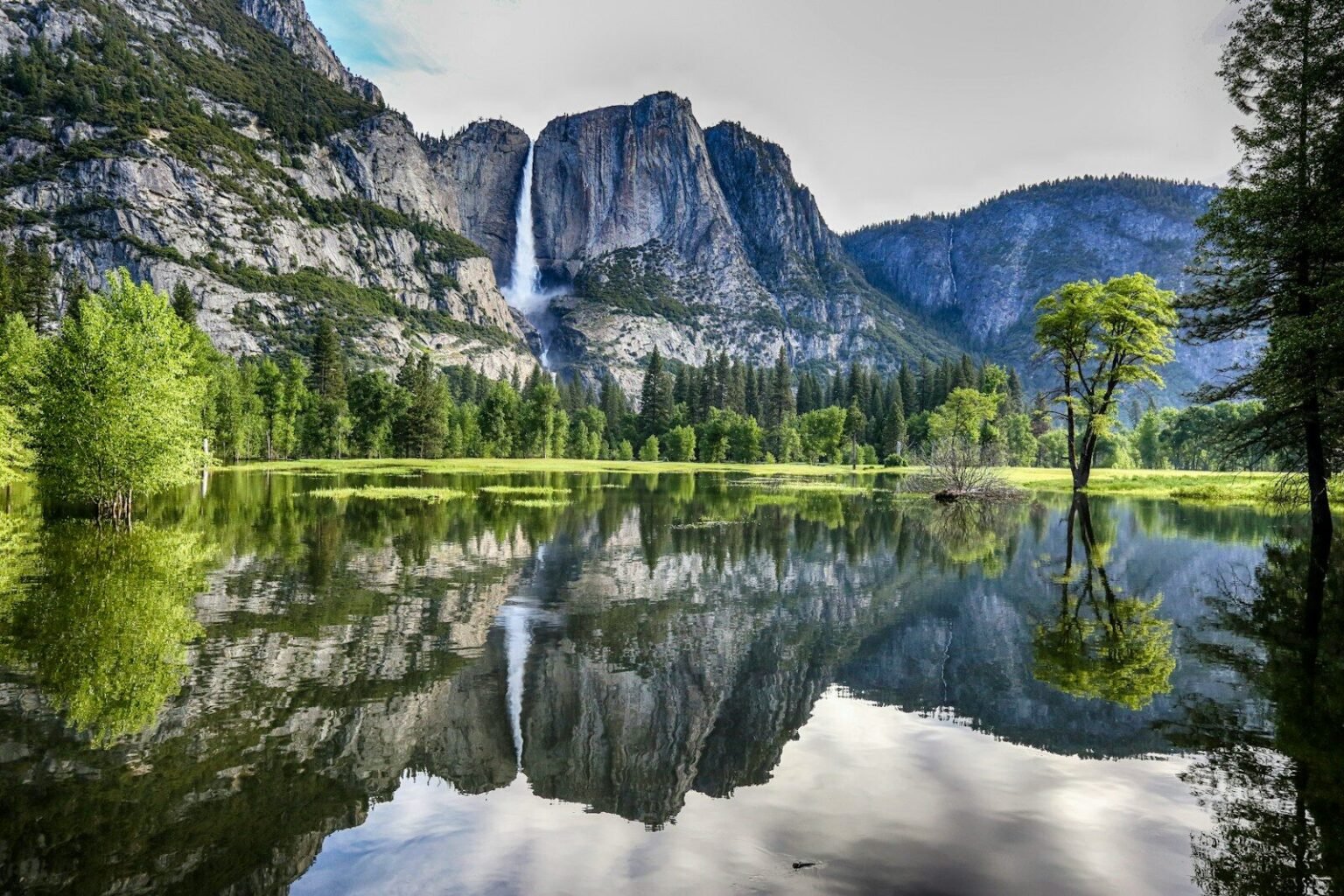
Featured Snippet Summary
Yosemite National Park sits roughly 170 to 195 miles from San Francisco, depending on which entrance you use. The drive runs 3.5 to 4.5 hours under decent traffic conditions. Your fastest bet follows I-580 E to I-205 E to CA-120 E through the Big Oak Flat Entrance — about 170 miles, done in roughly 3.5 hours when the roads cooperate.
I still remember the first time I made this drive. It was 5:40 in the morning, the Bay Bridge was completely empty, and my coffee was still too hot to touch. Three and a half hours later, I came around a bend on Highway 120 and the valley just opened up — granite walls catching the first orange light of the day. That moment is the whole reason people ask this question. They’re not just curious about mileage. They’re trying to figure out if this trip is actually doable, and how to squeeze the most out of it.
So let’s answer it properly, with real numbers, real routes, and the kind of detail you only get from actually making the drive.
Quick Answer: The Distance at a Glance
| Metric | Distance/Time |
|---|---|
| Driving distance (to Yosemite Valley) | 170-195 miles |
| Driving time (no traffic) | 3.5-4.5 hours |
| Straight-line (air) distance | ~155 miles |
| Flight time (private plane) | ~35-50 minutes |
| Public transit (bus + rail) | 8-9 hours |
| Nearest major highway routes | I-580 E to CA-120 E, or CA-99 S to CA-140 E |
The exact number comes down to two things: which entrance you’re heading to, and whether you’re measuring to the park boundary or all the way into Yosemite Valley — the park’s most visited hub. Run your route through Google Maps the morning you leave, since seasonal road closures can tack on extra miles you’re not expecting.
Overview of Yosemite National Park
Yosemite National Park sits in the Sierra Nevada mountains, sprawled across Tuolumne, Mariposa, and Madera counties in Northern California. The National Park Service manages it and protects nearly 748,000 acres of granite cliffs, waterfalls, ancient sequoias, and alpine wilderness. Most visitors, though, spend their time in a tiny sliver of that: the 7-square-mile Yosemite Valley, home to Half Dome, El Capitan, and Yosemite Falls.
Beyond the valley, the park holds Tioga Pass, Glacier Point, Mariposa Grove, and Hetch Hetchy — each with its own completely different personality. So “visiting Yosemite” can mean wildly different trips depending on which corner of the park you’re actually aiming for.
How Far Is It, Exactly? Route-by-Route Breakdown
Here’s where most articles get frustratingly vague, so let’s get specific. There are two main road routes from San Francisco, and they lead to two different entrances.
Route 1: Highway 120 (Big Oak Flat Entrance) — The Fastest Option
- Distance: Approximately 170 miles
- Drive time: 3.5 hours without traffic
- Path: I-580 E → I-205 E → CA-120 E, entering through Big Oak Flat
- This is the most direct and most scenic option for spring, summer, and fall travel. That said, sections of CA-120 sit at higher elevation, so this route can shut down during winter storms — worth checking before you pack the car.
Route 2: Highway 140 (El Portal / Arch Rock Entrance) — The Reliable Winter Option
- Distance: Approximately 195-200 miles
- Drive time: 4 to 4.5 hours without traffic
- Path: I-580 E → CA-99 S through Merced → CA-140 E along the Merced River
- Running at lower elevation, this route stays open more consistently when snow closes Tioga Pass or Highway 120. It also passes through Merced, which gives you more options for gas and a real sit-down meal before the mountain roads kick in.
Straight-Line vs. Driving Distance
Fly a straight line from San Francisco to Yosemite and you’re looking at roughly 155 miles — about 38 fewer miles than you’d actually drive. Roads have to wind around the Sierra foothills and Central Valley towns rather than cutting a clean diagonal, and that’s where the extra distance comes from. Worth keeping in mind whenever you see “as the crow flies” distances thrown around.
Pro tip: If your GPS and a friend’s GPS are giving you different numbers, that’s normal. Google Maps, Apple Maps, and various travel calculators often measure to different endpoints inside the park — the entrance gate, Yosemite Valley, or the park’s geographic center — which is exactly why you’ll see that 170-195 mile range floating around online.
Best Time to Visit Yosemite From San Francisco
| Season | Conditions | Good For |
|---|---|---|
| Late Spring (May-June) | Waterfalls at peak flow, warm days | Photography, hiking |
| Summer (July-Aug) | Warm, all roads open including Tioga Pass | Full park access, camping |
| Fall (Sept-Oct) | Fewer crowds, changing colors | Quiet valley visits |
| Winter (Nov-March) | Snow possible, Tioga Pass closed | Snowshoeing, solitude |
May and October tend to be the sweet spot — fewer crowds than peak summer, but still comfortable driving conditions. If you’re specifically chasing waterfalls, aim for late spring when snowmelt is running hard.
Local secret: Get out of San Francisco between 5:00 and 6:00 AM. It cuts through Bay Area traffic on I-580 before the weekend crush builds, and it also gets you to Tunnel View right around sunrise, when the light on those granite walls is genuinely unreal — one of the best photo windows of the whole day.
How to Reach Yosemite From San Francisco
By Car (Recommended)
Driving gives you the most flexibility, whether it’s your own car or a rental from the airport or somewhere in the city. Both routes above are toll-free, though you’ll pay a park entrance fee at the gate.
By Guided Tour
Several Bay Area companies run day trips to Yosemite with early departures, some as early as 5:30 AM. It’s not the cheapest option and you’re on someone else’s schedule, but somebody else handles the driving and the mountain roads — which some people genuinely prefer, especially on a first visit.
By Public Transit
Possible, but slow. Plan on 8 to 9 hours using BART connections and regional buses through Modesto. Fine if you don’t have a car, but you’ll burn most of a travel day just getting there.
Entrance Fee
Budget around $35 per vehicle for a 7-day pass. During peak season, some entrances require advance reservations, so check the NPS site before you leave home.
*Image suggestion: Car driving along Highway 120 toward Yosemite with mountains in the background. Alt text: Highway 120 scenic drive from San Francisco to Yosemite National Park entrance.
Also Read: Las Vegas to Grand Canyon Road Trip: The Complete Guide for 2026
Top Attractions Inside the Park
- Tunnel View – The classic postcard shot of the valley, El Capitan, and Half Dome all in one frame
- Yosemite Falls – North America’s tallest waterfall, at its best in late spring
- Glacier Point – A sweeping overlook above the valley floor, worth every bit of the drive up
- Half Dome – Iconic granite dome; the cable route to the summit requires a permit, so plan ahead
- Mariposa Grove – Old-growth giant sequoias, some of them thousands of years old
- Hetch Hetchy Valley – A quieter, far less-visited reservoir valley that most tourists walk right past
Local Culture, Food, and Where to Eat Along the Way
The drive itself is part of the experience. Small Gold Rush towns along Highway 120 give the trip real texture that you won’t get just staring at a highway.
- Groveland – Stop at the Iron Door Saloon, which has been running since 1852 (that’s not a typo), plus the Groveland Yosemite Gateway Museum
- Oakdale – Proudly billed as the “Cowboy Capital of the World”
- Jamestown and Columbia State Historic Park – Preserved Gold Rush-era towns worth a wander if you have time
- Merced (Highway 140 route) – More dining variety than anywhere else before you hit the park
Inside the park, options get thin and prices run noticeably higher than in the city, so packing food is genuinely smart. Eat breakfast in San Francisco before you leave, and carry snacks and water for the drive — gas stations get pretty scarce the closer you get to the park boundary.
Budget Tips for the Trip
- Fuel: Expect to spend $30-$50 round trip depending on your vehicle
- Entrance fee: $35 per vehicle covers 7 days
- Pack food: In-park dining is pricier and options are limited
- Fill your tank before Groveland or Merced: Gas stations are sparse past these towns
- Book lodging or campsites early: Yosemite accommodations sell out weeks, sometimes months, ahead
- Day-trip instead of staying overnight if budget is tight; it’s a long day, but it’s doable without a hotel cost
1-3 Day Itinerary
Day 1: The Valley Highlights (Day Trip Version)
- 5:30 AM: Depart San Francisco via Highway 120
- 9:00 AM: Arrive at Tunnel View for first light on the valley
- 10:00 AM: Short hike to Lower Yosemite Falls
- 12:30 PM: Picnic lunch in the valley
- 2:00 PM: Glacier Point overlook
- 4:00 PM: Begin the drive home, stopping in Groveland for an early dinner
The Day 2 (If Staying Overnight): Mariposa Grove & Hiking
- Morning hike through Mariposa Grove’s giant sequoias
- Afternoon: moderate valley-floor trail or a partial Mist Trail
- Evening: stargazing — Yosemite has minimal light pollution, and on a clear night it’s something else entirely
Day 3 (Extended Trip): Tioga Pass & Hetch Hetchy
- Drive the high-elevation Tioga Pass road (summer and fall only)
- Visit the quieter Hetch Hetchy Valley
- Head back to San Francisco via Highway 140 through Merced for a change of scenery on the return
Hidden Gems Most Visitors Miss
- Hetch Hetchy Valley – Often called Yosemite’s “quiet twin,” with a fraction of the crowds you’ll find in the main valley
- Tuolumne Grove of Giant Sequoias – Smaller and less trafficked than Mariposa Grove, and much closer to the Big Oak Flat Entrance
- Columbia State Historic Park – A 20-minute detour off Highway 120 into a well-preserved Gold Rush town that feels genuinely lived-in
- Olmsted Point – A dramatic viewpoint along Tioga Road that most day-trippers blow right past without stopping
Common Travel Mistakes to Avoid
- Leaving too late in the day. Weekend traffic out of the Bay Area on I-580 can pile on well over an hour before you’ve even left the metro.
- Ignoring seasonal road closures. Tioga Pass typically closes in winter; always check current conditions before you commit to a route.
- Not bringing cash or a filled tank. Gas stations get thin fast past Groveland and Merced.
- Underestimating in-park driving time. The park is massive, and getting from one landmark to another on narrow mountain roads takes longer than the map suggests.
- Skipping the entrance reservation system during peak season. Some entrances require booking ahead in summer — don’t show up assuming you’ll just roll in.
- Trying to see everything in one day. The valley alone deserves a full day. Rushing means you spend most of your time in the car instead of actually out there.
Also Read: Island Hopping in the Philippines: Ultimate 2026 Guide of the best islands, boat tours and hidden gems.
Frequently Asked Questions
How many hours is it from San Francisco to Yosemite?
Expect 3.5 to 4.5 hours without stops, depending on the route and traffic. The fastest option — Highway 120 through the Big Oak Flat Entrance — usually clocks in around 3.5 hours when traffic cooperates.
Can you do Yosemite as a day trip from San Francisco?
Yes, though it’s a long one. Most successful day trips leave by 5:30 or 6:00 AM and return late in the evening, leaving roughly 6-7 hours inside the park to actually enjoy.
What is the fastest route from San Francisco to Yosemite?
Highway 120 via I-580 E and I-205 E, entering through the Big Oak Flat Entrance — around 170 miles and 3.5 hours in light traffic.
Is there a train from San Francisco to Yosemite?
No direct train exists, but Amtrak connects to bus services that reach the park, with a total travel time of roughly 8-9 hours. That’s more than twice the drive, so it really only makes sense if you don’t have access to a car.
How much does it cost to drive from San Francisco to Yosemite?
Fuel typically runs $30-$50 round trip depending on your vehicle, plus a $35 per-vehicle park entrance fee that covers 7 days.
Is the drive from San Francisco to Yosemite scenic?
Widely considered one of the better drives in California — you move from the Bay through wine country and the Central Valley before climbing into the Sierra Nevada foothills, and the scenery builds the whole way.
Does Highway 120 stay open year-round?
The higher-elevation sections, including Tioga Pass, typically close in winter due to snow. Highway 140 stays open more reliably through the colder months.
Final Thoughts
Yosemite is close enough to San Francisco to make a real trip out of it — whether that’s one ambitious day or a slower three-day escape. The honest answer to how far is it is somewhere between 170 and 195 miles and 3.5 to 4.5 hours,